Essential Strategies for Exam Success: Chemistry Tutoring That Truly Helps
Securing success in chemistry exams calls for a strategic approach. Comprehending fundamental concepts is essential, as is embracing active learning. Successful tutoring includes focusing on overview problem-solving and employing visual aids. Furthermore, time management contributes significantly in academic performance. By implementing collaborative learning and regular assessments, students can enhance their understanding. These essential strategies pave the way for improved outcomes, but the specifics of their application can prove decisive.
Understanding Fundamental Ideas
Mastery of fundamental concepts serves as the foundation for academic success. In the domain of chemistry, comprehending fundamental principles such as atomic structure, chemical bonding, and stoichiometry is crucial. These concepts not only form the basis for more complex theories but also enable students to connect various topics within the subject.
When learners understand these fundamental ideas, they are better equipped to tackle sophisticated problems and applications. For example, a firm understanding of the periodic table facilitates more straightforward comprehension of reaction mechanisms and element attributes.
Additionally, knowledge of core concepts fosters confidence in students, decreasing anxiety in exams. This confidence promotes a more thorough engagement with the material, contributing to increased retention and recall. Eventually, giving priority to the understanding of these basic concepts lays the groundwork for success in exams and future academic pursuits within the field of chemistry.

Techniques for Active Learning
Drawing from a solid understanding of fundamental concepts, students can enhance their learning experience through active learning techniques. These methods encourage engagement and critical thinking, empowering students to take control of their education. Approaches such as group discussions, peer teaching, and interactive simulations promote collaboration and deliver a deeper grasp of chemical principles. By immersing themselves in the learning process, students can connect theoretical knowledge to practical applications, cementing their understanding.
Furthermore, employing tools such as flashcards and concept maps can help visualize relationships between topics, thus solidifying knowledge retention. Active participation in laboratory experiments also promotes a hands-on approach, making abstract concepts more tangible. Additionally, questioning and reflecting on the material empowers students to identify gaps in their understanding. Overall, active learning techniques create a dynamic environment that cultivates curiosity and self-directed learning, ultimately leading to superior outcomes in chemistry examinations.
Improve Critical Thinking Capabilities
Practicing problem-solving skills is vital for students seeking to excel in chemistry examinations. These skills allow students to tackle complex questions strategically, breaking them down into digestible parts. Regularly engaging with practice problems aids in consolidate theoretical concepts and develops critical thinking. Students profit from a variety of problem types, including numerical calculations, conceptual questions, and application-based scenarios.
Additionally, solving problems in a timed environment simulates exam conditions, enhancing both confidence and efficiency. Group study sessions can enhance learning, as discussing solutions with peers allows for the exchange of perspectives and strategies.
Chemistry tutoring can further support this practice by providing specific exercises that tackle individual weak points. Instructors can guide students through the process of solving problems, highlighting common mistakes and proven strategies. In the end, consistent practice in solving problems provides students with the resources necessary to address the varied questions encountered in chemistry tests.
Making Use of Visual Aids and Resources
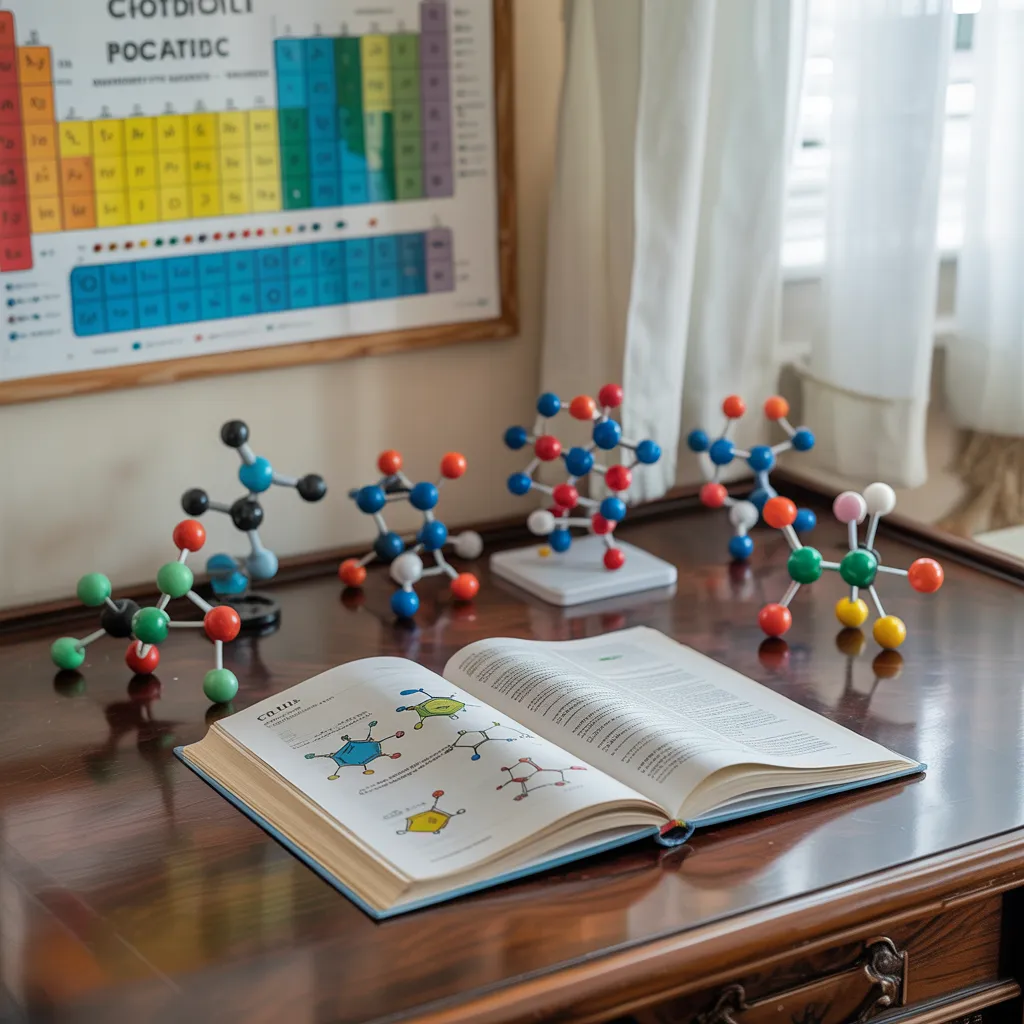
When preparing for chemistry exams, students can substantially strengthen their grasp of concepts by employing visual aids and resources. Charts, diagrams, and infographics offer visual depictions of complicated concepts, rendering them more understandable. For example, 3D models enable better understanding of molecular structures, helping students visualize spatial arrangements.
Furthermore, videos and animations can depict chemical reactions and processes, presenting engaging presentations that textbooks might not provide. Flashcards serve as powerful tools for retaining important terms and equations, enhancing comprehension through recall practice.
Web-based educational tools often feature interactive simulations that help students to manipulate variables in experiments, enhancing their comprehension of scientific principles. By integrating these visual aids into their study routines, students not only enhance retention but also cultivate a more engaging learning experience. Eventually, employing diverse resources creates a complete approach to mastering chemistry.
Strategies for Time Management
Successful time management is crucial for academic success, particularly during exam preparation. Students should focus on their study sessions and emphasize the most important topics, ensuring they assign appropriate time for each subject. Moreover, setting realistic goals can help maintain motivation and track progress throughout the study period.
Emphasize Study Sessions
Many students find that prioritizing study sessions considerably enhances their time management skills and total academic performance. By recognizing the most vital topics or concepts that require attention, students can allocate their time more effectively. This approach empowers them to focus on their weaknesses, enhancing their understanding of complex material. Establishing a consistent study schedule establishes a routine, making it more straightforward to balance academic responsibilities with personal commitments. In addition, prioritizing study sessions prompts students to exclude distractions, creating a more productive learning environment. Leveraging tools such as to-do lists or digital calendars can facilitate organizing study time, verifying that students stay on track. Ultimately, prioritizing study sessions is a essential strategy for achieving success in chemistry and other subjects.
Set Achievable Goals
Creating achievable objectives is an essential aspect of effective time management for students. By establishing attainable objectives, students can more effectively allocate their study time and resources, ensuring a structured approach to their learning. Practical targets aid in breaking down complicated subjects like chemistry into manageable tasks, reducing feelings of overwhelm. This strategic segmentation enables students to concentrate on one concept at a time, fostering deeper understanding and retention. Moreover, setting specific, measurable, achievable, relevant, and time-bound (SMART) goals empowers students to track their progress and modify their study plans as required. In the end, realistic goal-setting promotes motivation and accountability, leading to enhanced performance and confidence in exam situations. Students who integrate this strategy into their study routines are better positioned for success.
Collaborative Study Groups and Learning
Collaborative learning and study groups enhance the educational experience by fostering a dynamic environment where students can exchange ideas and assist with each other's understanding of complex topics. In chemistry, where concepts can be intricate, these groups enable students to tackle difficult material together. By discussing problems and explaining concepts to peers, students often solidify their own understanding while assisting others.
Furthermore, study groups promote diverse perspectives, as each member may view a topic differently, resulting in a more thorough grasp of the subject matter. Regular meetings can help copyright accountability, encouraging students to keep up with their studies. Additionally, the social aspect of collaboration can lessen stress, creating a supportive network that encourages persistence. Finally, collaborative learning and study groups not only enhance comprehension but also build essential skills such as teamwork and communication, which are essential for success in both academic and professional settings.
Regular Evaluation and Response
Routine testing and immediate responses constitute fundamental aspects of productive learning. In the context of chemistry tutoring, they serve as critical tools for gauging student understanding and identifying areas for improvement. Consistent quizzes and trial assessments simultaneously solidify the content and enable students to cultivate certainty in their comprehension.
Timely feedback allows students to identify mistakes and comprehend the underlying concepts, fostering deeper comprehension. Teachers can adapt their instruction based on assessment results, guaranteeing that each student receives individualized attention.
In addition, regular assessments stimulate accountability and motivate students to engage consistently with the subject matter. By developing a routine of evaluation, students turn more skilled at self-assessment, readying them for the rigors of actual exams. To sum up, incorporating regular assessments and constructive feedback into chemistry tutoring establishes a dynamic learning environment that promotes academic success.
Common Questions
How Can I Locate a Great Chemistry Tutor?
To identify a skilled chemistry tutor, one should ask for recommendations, review online reviews, assess qualifications, and interview potential candidates. A trial session can also help to determine compatibility and teaching effectiveness for specific learning needs.
What Qualifications Should I Search for in a Tutor?
While looking for a chemistry tutor, one should prioritize qualifications such as a relevant degree in chemistry or a related educational field, teaching experience, strong communication skills, and a proven track record of helping students attain academic success.
What Price Should I Anticipate for Tutoring?
Plan to spend between $30 to $100 per hour for tutoring, contingent upon the tutor's qualifications, experience, and location. Rates may vary, so evaluating different choices can help discover the best fit for budget and needs.
Can Digital Tutoring Be as Effective as Physical Sessions?
Digital tutoring is often as productive as traditional sessions, subject to the tutor's qualifications, the learner's preferences, and the tools employed. One-on-one support and engaging platforms often improve the web-based educational experience remarkably.
How Do I Stay Motivated During Tutoring Sessions?
To remain motivated during tutoring sessions, individuals should set well-defined goals, maintain a encouraging mindset, actively take part in discussions, and reward themselves for achieving milestones, building an environment favorable for learning and personal growth.
Comments on “Why chemistry tuition Helps Improve Understanding”